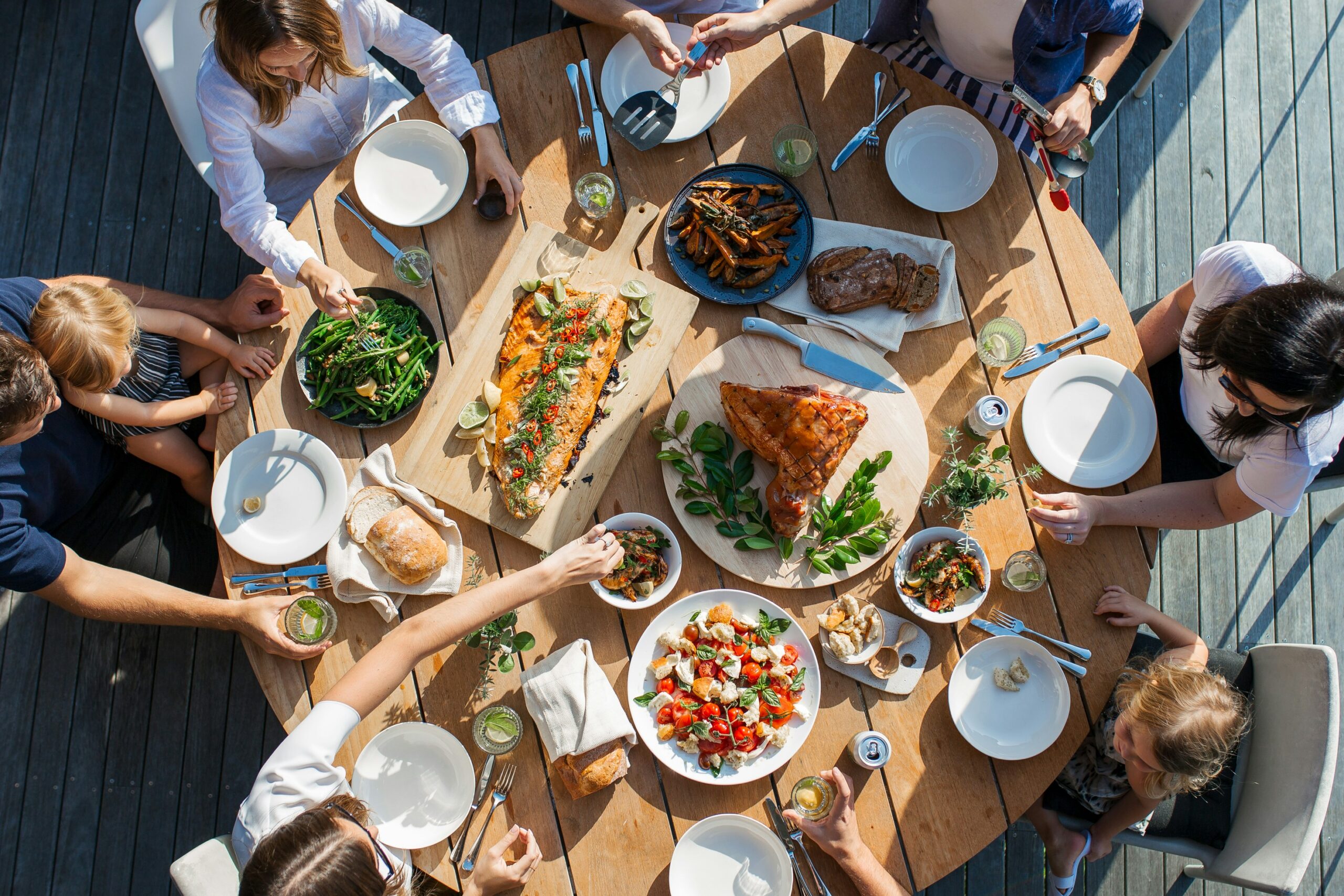
Food culture traditions and culinary heritage have always been powerful forces that shape human connection across generations and borders. More than simple nourishment, food acts as a cultural memory system, preserving identity through family recipes, traditional cooking methods, and shared dining experiences. From local kitchens to global celebrations, every meal reflects a story of ancestry, migration, and belonging that continues to evolve over time. In many ways, food is a universal language that does not require translation, yet communicates emotions, values, and history with remarkable clarity.
In many households, cooking is one of the last remaining traditions where generations naturally meet. A simple recipe passed down can preserve identity, even when language or geography changes. As people move across countries and cultures, food becomes a familiar thread that keeps heritage alive while allowing it to evolve in new environments. Ultimately, this shared experience builds emotional continuity between the past and present.
Family Kitchens as Archives of Memory
Family kitchens often serve as informal museums where history is preserved through taste and aroma. Recipes written on worn paper, or memorized through repetition, become emotional anchors that link past and present. Even the act of cooking together strengthens bonds that might otherwise weaken in fast-paced modern life. In this way, everyday meals become powerful tools of cultural preservation.
Moreover, these shared kitchen moments often become storytelling spaces. While chopping vegetables or stirring a pot, elders pass down life lessons, cultural beliefs, and personal memories. Consequently, younger generations not only learn how to cook but also understand the deeper meaning behind each dish. These moments quietly shape identity, reinforcing values without formal instruction.
Migration and the Evolution of Culinary Identity
As families migrate across countries, their traditional foods travel with them, adapting to new ingredients and environments. This evolution creates fusion cuisines that reflect both heritage and change. While the essence of the original dish remains, subtle modifications reveal how cultures survive and transform over time. Food, therefore, becomes a living record of migration journeys and adaptation.
At the same time, cooking traditional meals in a new land becomes an emotional act of belonging. It helps immigrants stay connected to their roots while sharing their culture with others. Gradually, these foods become part of the broader culinary landscape, enriching multicultural societies with new flavors and perspectives. As a result, food becomes both personal comfort and cultural exchange.
Festivals, Rituals, and Shared Culinary Heritage
Across cultures, festivals and rituals often revolve around specific foods that symbolize unity, gratitude, or celebration. Whether it is a harvest feast, a religious holiday, or a seasonal gathering, food plays a central role in bringing communities together. These shared meals strengthen collective identity and reinforce cultural continuity, making traditions tangible and memorable.
In addition, such occasions offer opportunities for younger generations to actively participate in tradition. By helping prepare festive dishes, they learn not just recipes but also the cultural meanings behind them. As a result, food becomes a living tradition that is practiced, not just remembered. These experiences ensure cultural knowledge is passed forward in an engaging and meaningful way.
Modern Dining and the Reinvention of Tradition
Today’s globalized world has transformed how people experience traditional food. Restaurants, food blogs, and social media platforms have made cultural dishes more accessible than ever before. As a result, people can explore global cuisines without leaving their cities, fostering appreciation for diverse culinary heritages. This widespread exposure also encourages curiosity and respect for different food traditions.
However, this accessibility also leads to reinterpretation. Chefs and home cooks alike experiment with traditional recipes, blending old techniques with modern tastes. While some worry about authenticity, this creative adaptation ensures that traditions remain relevant in an ever-changing world. In many cases, reinvention helps keep cultural dishes alive for younger audiences who seek novelty and innovation.
Food as a Bridge Between Generations
Perhaps the most powerful role of food is its ability to bridge generational gaps. Grandparents, parents, and children may differ in language, technology, or lifestyle, yet they can still connect over a shared meal. In these moments, food becomes a common ground where understanding naturally grows. It reduces distance between generations in a simple yet profound way.
Furthermore, these shared dining experiences often create lasting emotional memories. A familiar dish can instantly transport someone back to childhood or to a moment of comfort and belonging. Ultimately, global cuisine, family recipes, and intergenerational food traditions form a powerful cultural bridge that preserves identity, strengthens relationships, and keeps cultural heritage alive in everyday life, shaping values for the future generation and beyond.