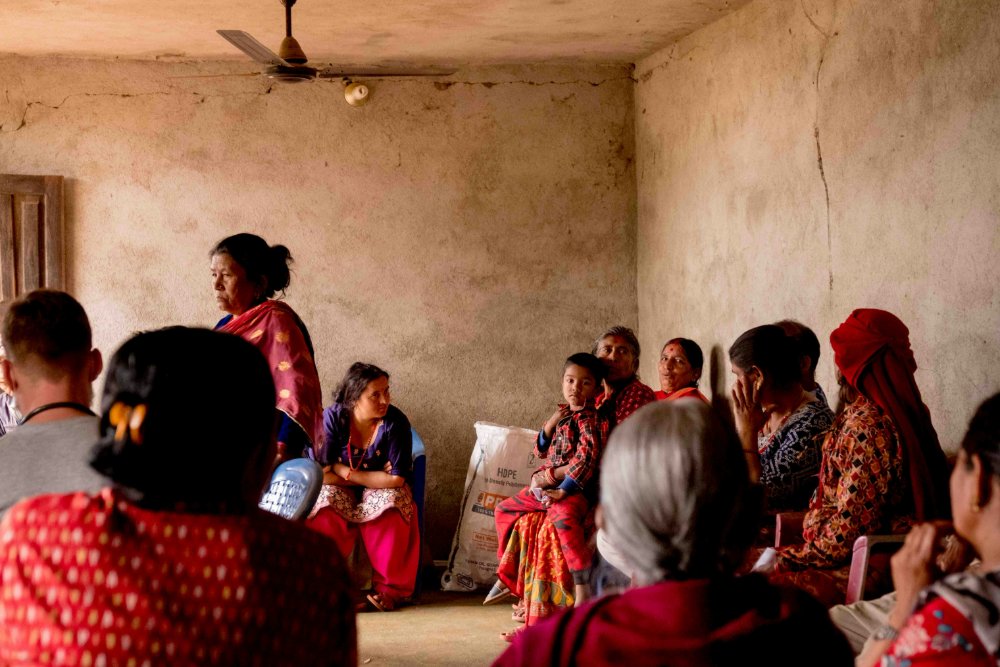
The world is full of different cultures, traditions, languages, and ways of life. However, people often feel uncomfortable when they encounter something unfamiliar. This fear may come from limited knowledge, past experiences, or common misunderstandings. As a result, individuals sometimes avoid people and situations that seem different from what they know. Cultural encounters offer a meaningful way to overcome these feelings. They encourage people to explore new perspectives, build relationships, and understand the world beyond their daily experiences.
Meeting people from different backgrounds can change how individuals think about unfamiliar situations. For example, sharing a meal with someone from another country can reveal unexpected similarities in family values and personal interests. Moreover, cultural exchanges help people replace assumptions with real experiences. As individuals become more comfortable with differences, they often develop greater confidence, understanding, and respect for others.
Understanding Why People Fear Unfamiliar Cultures
Fear of the unknown often begins when people lack information about something different. Individuals naturally feel more comfortable with familiar surroundings, customs, and social expectations. Therefore, unfamiliar languages, clothing, foods, or traditions may create uncertainty. People sometimes respond by forming opinions without fully understanding another culture. These reactions can lead to unnecessary social distance and misunderstandings.
However, limited knowledge does not have to create lasting fear. When people learn about unfamiliar traditions, they begin to understand the reasons behind different behaviors. For instance, a greeting that seems unusual in one culture may represent respect in another. Cultural awareness helps individuals recognize that differences do not automatically represent threats. Instead, they often reflect unique histories, beliefs, and community values.
How Personal Encounters Challenge Cultural Stereotypes
Stereotypes often develop when people judge entire communities based on limited examples or inaccurate information. These assumptions can influence how individuals view others before they meet them. As a result, people may avoid meaningful conversations or feel uncomfortable around unfamiliar groups. Direct cultural encounters provide opportunities to question these beliefs through personal experience.
For example, working with international classmates can help students recognize that people from different countries share similar goals, responsibilities, and concerns. Although their traditions may differ, they often value friendship, education, family, and personal growth. Moreover, real conversations reveal that individuals cannot be defined by cultural labels alone. These experiences encourage people to evaluate others through their actions and character rather than assumptions.
Building Trust Through Everyday Cultural Interactions
Trust develops when people communicate openly and share positive experiences. However, cultural differences sometimes make initial conversations difficult. People may worry about using unfamiliar words, misunderstanding gestures, or unintentionally offending someone. These concerns can prevent individuals from developing friendships across cultural boundaries.
Fortunately, everyday interactions provide simple opportunities to build confidence. Sharing lunch, attending community events, or talking with neighbors can create meaningful connections. For instance, a person who regularly speaks with coworkers from different backgrounds may become more comfortable with unfamiliar customs. Over time, repeated positive experiences can reduce uncertainty. As a result, cultural differences become easier to understand and less intimidating.
Developing Empathy Through Different Life Experiences
Empathy allows individuals to understand another person’s feelings and experiences. Cultural encounters can strengthen this ability by introducing people to different challenges, traditions, and personal stories. For example, listening to someone describe the difficulties of moving to a new country may help others understand the emotional effects of leaving familiar surroundings.
Furthermore, learning about different experiences encourages people to consider situations from another perspective. Someone who understands the challenges of learning a new language may become more patient with people who speak slowly or make mistakes. This awareness can improve communication and reduce unfair judgments. Therefore, cultural interactions help people develop kindness, patience, and respect in everyday relationships.
How Cultural Travel Encourages Personal Confidence
Travel introduces individuals to unfamiliar environments, social expectations, and daily routines. Although these experiences may initially feel uncomfortable, they can create valuable opportunities for personal growth. Visitors often need to communicate with strangers, understand local customs, and adjust to different lifestyles. Consequently, travel encourages people to move beyond familiar habits and develop practical skills.
For example, navigating public transportation in another country may seem difficult at first. However, successfully completing the journey can increase confidence and independence. Similarly, trying unfamiliar foods or participating in traditional celebrations can make cultural differences feel more approachable. Each positive experience can help travelers become more comfortable with uncertainty and more willing to explore unfamiliar situations.
The Importance of Cultural Exchange in Education
Educational environments bring together students with different cultural backgrounds and personal experiences. Schools and universities can use this diversity to encourage understanding and cooperation. When students study together, they encounter new ideas, communication styles, and ways of solving problems. These experiences help them recognize that people can approach the same situation differently.
Additionally, cultural exchange programs encourage students to develop friendships beyond their usual social groups. Classroom discussions, international projects, and community activities create opportunities for shared learning. For instance, students who collaborate on presentations about cultural traditions may discover similarities between celebrations in different countries. Such activities can reduce uncertainty while strengthening teamwork, communication, and mutual respect.
Using Cultural Communication to Reduce Misunderstandings
Communication plays an important role in helping people understand cultural differences. However, language barriers and unfamiliar social customs can sometimes create confusion. A gesture considered friendly in one society may carry a different meaning elsewhere. Without proper understanding, people may interpret these situations incorrectly and develop unnecessary concerns.
Clear communication helps prevent these problems. Individuals can ask respectful questions, listen carefully, and avoid making quick judgments. For example, asking someone about a cultural celebration can create a positive conversation rather than an uncomfortable misunderstanding. Moreover, patience allows people to learn from mistakes without embarrassment. As communication improves, individuals become more confident when interacting with people from unfamiliar backgrounds.