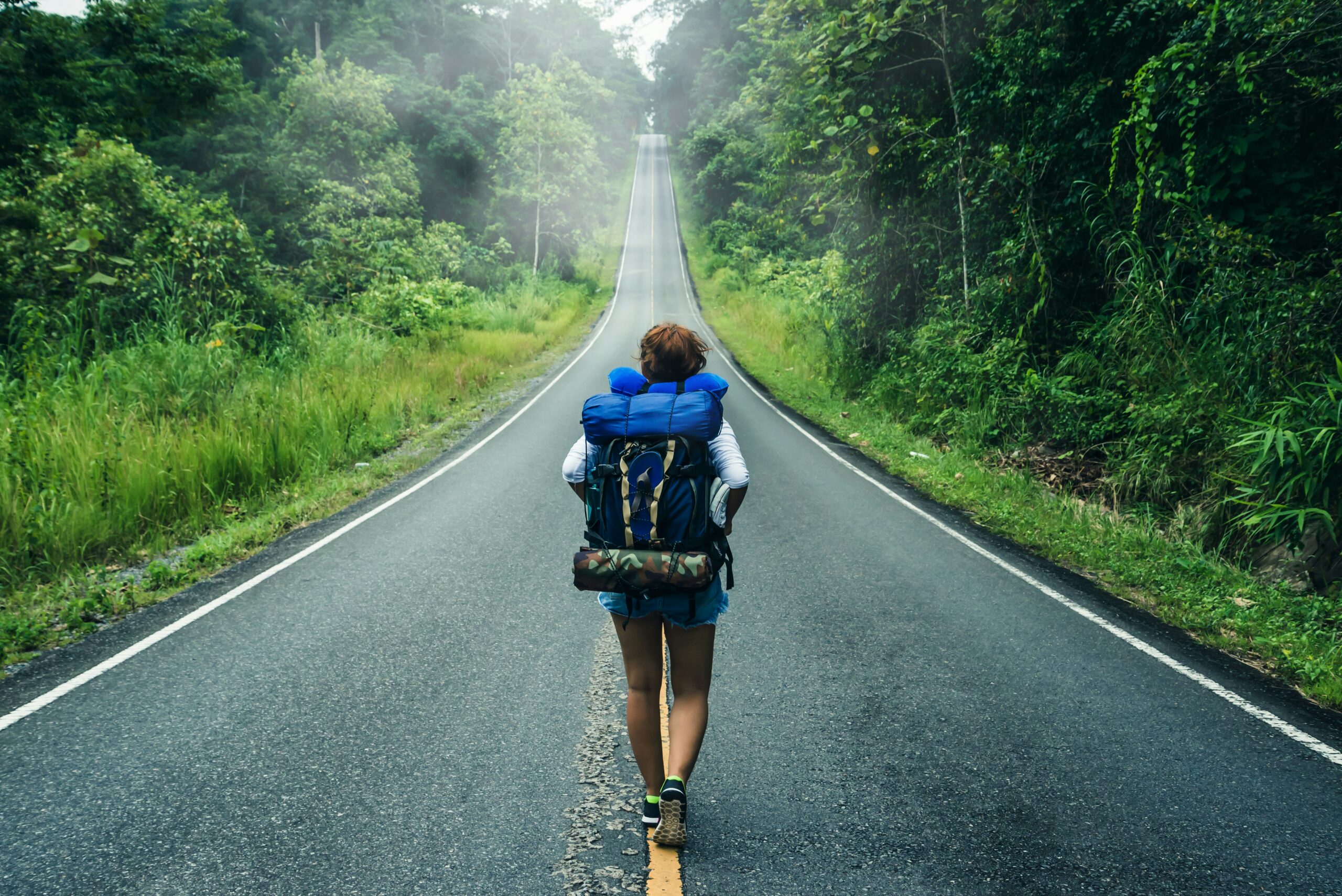
Travel can powerfully change how people see themselves. A familiar routine can feel safe, but it can also limit personal growth. When you visit a new place, you face unfamiliar streets, different customs, new foods, and unexpected situations. These experiences encourage you to think independently and make decisions without always relying on what feels familiar. Even simple tasks, such as finding transportation or communicating in an unfamiliar environment, can become valuable confidence-building lessons. Each small success reminds you that you can handle more than you once believed.
This is one reason travel boosts self-confidence so naturally. You learn by doing, not simply by thinking about what you might be capable of. A missed train, a changed plan, or a language barrier may feel stressful at first. Yet, finding a solution creates a sense of achievement. Over time, these moments build trust in your own judgment. You return home with more than photographs and memories. You bring back a stronger belief in your ability to face challenges, adapt quickly, and take action when life does not go according to plan.
New Experiences Spark Creativity
Travel also gives your mind fresh material to work with. Everyday routines often expose you to the same sights, conversations, habits, and ideas. Traveling breaks that pattern. You encounter different architecture, art, music, food, traditions, and ways of living. Your brain has to process these new experiences and connect them with what you already know. This can lead to fresh ideas and new ways of looking at familiar problems. A change of scenery can therefore become more than a pleasant escape. It can become a powerful source of creative inspiration.
Creativity grows when you allow yourself to be curious. Exploring a local market, walking through an unfamiliar neighborhood, or talking with people from another background can challenge your usual assumptions. You may discover a different approach to work, relationships, communication, or everyday life. Travel encourages observation because you naturally pay closer attention when everything around you feels new. That attention can continue after the trip ends. You may return with a more open mind, stronger curiosity, and greater willingness to experiment with ideas instead of always choosing the most familiar path.
Travel Builds Emotional Resilience
Emotional resilience means responding to difficulties without letting them completely overwhelm you. Travel can strengthen this ability because it often involves uncertainty. Flights can be delayed. Plans can change. Weather can disrupt activities. Cultural differences can create confusion. These situations may be uncomfortable, but they also provide opportunities to practice patience and flexibility. Instead of expecting everything to go perfectly, you learn to adjust your expectations and focus on what you can control.
With repeated experience, unexpected problems can feel less threatening. You begin to understand that discomfort does not always mean something is wrong. Sometimes, it simply means you are learning. This mindset can become useful long after your trip ends. When challenges appear at home, you may remember how you handled difficult moments while traveling. That memory can provide perspective and encourage a calmer response. In this way, travel can build emotional strength, adaptability, and a greater sense of control in uncertain situations.
Meeting Different People Expands Your Perspective
One of the most valuable parts of travel is meeting people whose experiences differ from your own. Conversations with locals, fellow travelers, guides, and hosts can introduce you to new viewpoints. You may discover that people can have very different priorities, traditions, and lifestyles while still sharing many of the same hopes and concerns. These interactions can make the world feel both larger and more connected. They can also encourage you to question assumptions that you may have accepted without much thought.
Greater cultural understanding can influence how you communicate and respond to others. You become more aware that your way of doing things is not the only way. This does not mean abandoning your own values. Instead, it means becoming more comfortable with differences. That openness can strengthen social confidence and empathy. It can also make everyday interactions easier because you become better at listening, observing, and adapting. Travel therefore offers a practical way to develop communication skills while building a broader understanding of the people and cultures around you.
Travel Encourages Personal Growth
Travel often creates space for reflection. Away from normal responsibilities, you may have more time to think about your goals, habits, relationships, and priorities. A new environment can make familiar routines look different. You may realize that you want to spend more time with loved ones, pursue a creative interest, change a habit, or take a new direction in your career. These realizations do not always happen during dramatic adventures. Sometimes, they appear during a quiet walk, a long train ride, or a simple conversation with someone you have just met.
The lasting value of travel comes from what you do with those experiences afterward. A trip does not automatically transform your personality, but it can create opportunities for meaningful change. The benefits of travel include greater self-confidence, stronger creativity, better adaptability, improved communication, and emotional resilience. When you challenge yourself, explore unfamiliar places, and remain open to new perspectives, you develop skills that can support both personal and professional growth. You return with memories, practical lessons, and a stronger belief in your ability to handle uncertainty. Travel can become more than a break from everyday life. It can be a powerful path toward confidence, creativity, personal growth, and a more resilient outlook on life.