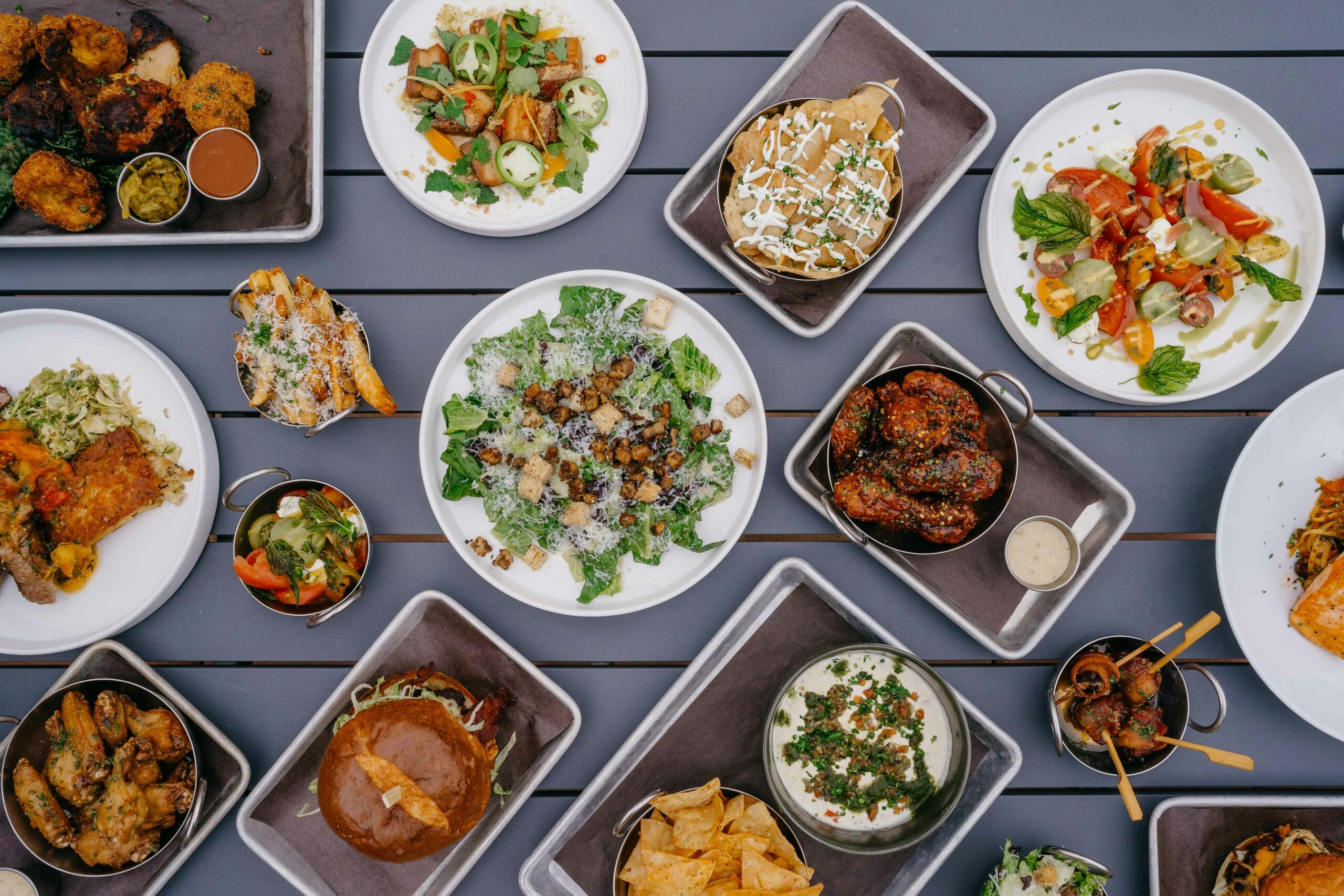
Food is more than something we eat when we are hungry. It can carry memories, family stories, cultural values, and traditions from one generation to another. A familiar recipe can remind someone of childhood, while a shared meal can bring people together despite differences in age, background, or experience. From homemade dishes to traditional celebrations, food connects generations and cultures in meaningful ways.
Food as a Link Between Generations
Families often pass recipes from parents and grandparents to children. These recipes may not always be written down. Instead, they are learned by watching someone cook, tasting the food, and helping with simple tasks in the kitchen. Over time, children learn more than how to prepare a meal. They also learn about their family’s history.
A grandmother’s soup, a father’s favorite barbecue recipe, or a special dessert made during holidays can become part of a family’s identity. Even small details, such as the way ingredients are prepared or when a particular dish is served, can carry special meaning. When younger family members continue making these foods, they help keep family traditions alive.
Cooking together can also create opportunities for conversation. While preparing a meal, older family members may share stories about their childhood, relatives, or important family events. These conversations give younger generations a chance to understand where they came from and why certain traditions matter.
Traditional Food Preserves Cultural Identity
Food plays an important role in preserving cultural identity. Every culture has its own ingredients, cooking methods, flavors, and customs. Traditional dishes often reflect the environment, history, and experiences of the people who created them.
A recipe may have developed because certain ingredients were easy to find in a particular region. Other dishes may have been influenced by migration, trade, celebrations, or historical events. As people move to new places, they often continue preparing familiar foods as a way to maintain a connection with their heritage.
Traditional food can therefore become a bridge between the past and the present. Younger generations may grow up in a different environment from their grandparents, but cooking and enjoying traditional meals can help them remain connected to their cultural roots.
Shared Meals Bring People Together
The dining table has always been an important place for connection. Sharing a meal gives people time to slow down, talk, laugh, and enjoy each other’s company. In many families, meals are closely connected with birthdays, holidays, weddings, religious celebrations, and other important occasions.
Food also creates connections between people from different cultures. Trying another culture’s food can introduce people to unfamiliar flavors and traditions. A meal can encourage curiosity and conversation without requiring complicated explanations. Through food, people can discover similarities while also appreciating differences.
For example, two families may prepare completely different dishes for a celebration, yet both may place the same importance on gathering loved ones around the table. The ingredients may change, but the feelings of hospitality, care, and togetherness can be shared across cultures.
Recipes Carry Stories From the Past
Every traditional recipe has a story behind it. Sometimes that story is connected to a special person. Other times, it may reflect a family’s journey or a community’s history. Recipes can survive for decades because people attach memories and emotions to them.
Handwritten recipe cards, old family cookbooks, and stories told in the kitchen can become valuable family treasures. Even when a recipe changes slightly over time, its original meaning can remain. One generation may adjust the ingredients, while another may introduce a new cooking method. These changes show that traditions do not have to remain exactly the same to stay meaningful.
Food traditions can grow and adapt while still honoring the people and cultures that created them. This balance allows families to preserve their history while making traditions relevant to modern life.
Keeping Food Traditions Alive
Modern lifestyles can make it difficult for families to spend as much time together as previous generations did. Busy schedules, changing communities, and new eating habits can cause some traditions to fade. However, families can keep food traditions alive by making time for shared meals and cooking together.
Parents and grandparents can teach children family recipes, explain the stories behind traditional dishes, and invite them to participate in meal preparation. Younger family members can also help preserve traditions by recording recipes, taking photographs, or sharing family food stories.
Food does not need to be complicated to create a lasting connection. A simple meal prepared with care can carry memories that remain for years. When people gather around a table, they are often sharing more than food. They are sharing time, history, culture, and a sense of belonging.
From one generation to the next, food continues to tell stories that might otherwise be forgotten. It connects families with their past, introduces cultures to one another, and creates memories around the table. In this way, every recipe can become part of a larger tradition, showing how something as simple as a meal can bring people together across generations and cultures.