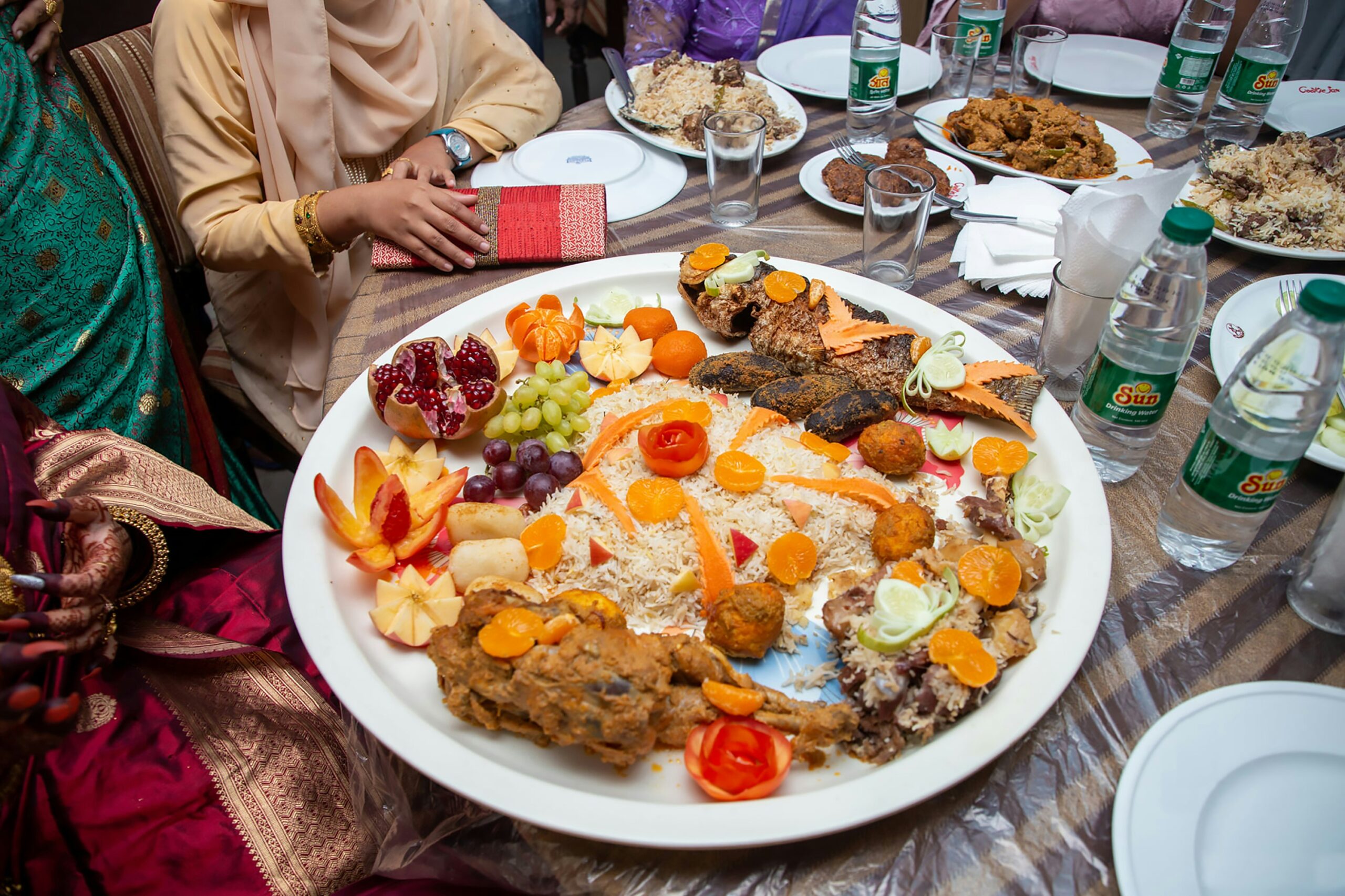
Food traditions do more than fill a table; they carry memory, identity, love, and belonging from one generation to the next. Across America and around the world, families gather around recipes that tell stories without needing many words. A grandmother’s soup, a father’s barbecue, a holiday pie, or a simple pot of rice can hold history, migration, faith, hardship, and joy. Because meals often repeat across seasons and milestones, they become trusted bridges between the past and present. Food traditions also help people share culture with others, especially when families move, blend, or grow in new places. As a result, the table becomes more than a place to eat. It becomes a living classroom, a family archive, and a warm space where people learn who they are.
Why Food Traditions Matter
Food traditions matter because they help families remember where they came from. A recipe may seem simple, yet it often carries years of family history. When someone prepares a dish the same way an older relative once did, that act keeps a personal story alive. Even small details, such as a spice blend or a cooking method, can remind people of home.
In addition, food gives culture a form people can taste, smell, and share. Many families pass down dishes connected to holidays, weddings, birthdays, harvests, or religious events. Therefore, these meals create a sense of rhythm and belonging. They help each generation feel connected to something larger than itself.
Recipes as Family Stories
Every family recipe has a story behind it. Sometimes the story explains how a dish survived hard times. Other times, it shows how a family adapts after moving to a new country or region. For example, an immigrant family may replace one ingredient with another because the original was hard to find. Over time, that change becomes part of the family’s food traditions.
These stories also teach younger people about patience, care, and respect. When children help knead dough, stir sauce, or season meat, they learn more than cooking skills. They hear family memories, old jokes, and life lessons. As a result, the kitchen becomes a place where love and wisdom pass from one person to another.
How Food Connects Cultures
Food connects cultures because it invites people to experience another way of life in a friendly and familiar way. Sharing a meal can open a door to conversation, even when people come from different backgrounds. A dish can explain geography, climate, faith, and family values better than a long lecture. Because of this, food often builds trust quickly.
In many American communities, cultural food traditions mix and grow together. Tacos, sushi, curry, barbecue, gumbo, dumplings, and pasta all show how food travels and changes. However, these dishes also remind us to respect their roots. When people learn the meaning behind a meal, they honor the culture that created it.
The Role of Holidays and Gatherings
Holidays give food traditions a special place in family life. Thanksgiving stuffing, Christmas cookies, Eid biryani, Hanukkah latkes, Lunar New Year dumplings, and Fourth of July barbecue all carry deep meaning for different families. These foods mark time and help people look forward to shared moments each year.
Gatherings also create memories that last long after the meal ends. People may forget the exact date, but they often remember who cooked, who laughed, and who sat beside them. Therefore, food becomes linked to emotion. It turns ordinary ingredients into lasting family treasures.
Passing Traditions to Younger Generations
Passing food traditions to younger generations takes time and intention. Many young people now live busy lives, and some families no longer cook together every day. Still, even one shared recipe can keep a strong connection alive. Parents, grandparents, aunts, and uncles can invite children into the kitchen and explain why a dish matters.
Moreover, technology can help preserve these traditions. Families can record cooking videos, write recipe notes, or create digital recipe books. However, the most powerful part remains the shared experience. When people cook together, they build memories that a written recipe alone cannot replace.
Food Traditions in a Changing World
Food traditions do not need to stay frozen in time. In fact, many traditions survive because people adjust them. A family may make a dish healthier, use local ingredients, or change it for dietary needs. Although the recipe may evolve, the meaning can stay strong.
This flexibility helps food remain relevant across generations. Younger family members may add new flavors while still honoring the original dish. Consequently, tradition becomes a living practice rather than just a rule. It grows with the family while keeping its roots intact.
Building Stronger Bonds Through the Table
The table gives people a reason to slow down and connect. In a fast world, shared meals create space for conversation, comfort, and care. Families can use dinner, weekend brunch, or holiday meals to strengthen bonds. Even simple meals can become meaningful when people eat together with attention.
Food traditions also help heal the distance between generations. Older relatives may feel valued when younger people ask about recipes. Younger people may feel grounded when they learn family history. As a result, the table becomes a bridge where respect moves both ways.
Food traditions connect generations and cultures by turning meals into meaning. They preserve family history, support cultural pride, and create space for people to belong. Although recipes may change over time, the love behind them can remain steady. When families cook, eat, and share stories, they protect something deeply human. In the end, food traditions show that culture does not live only in books, museums, or old photographs. It lives in kitchens, on plates, around tables, and in the hands of people who keep sharing it.