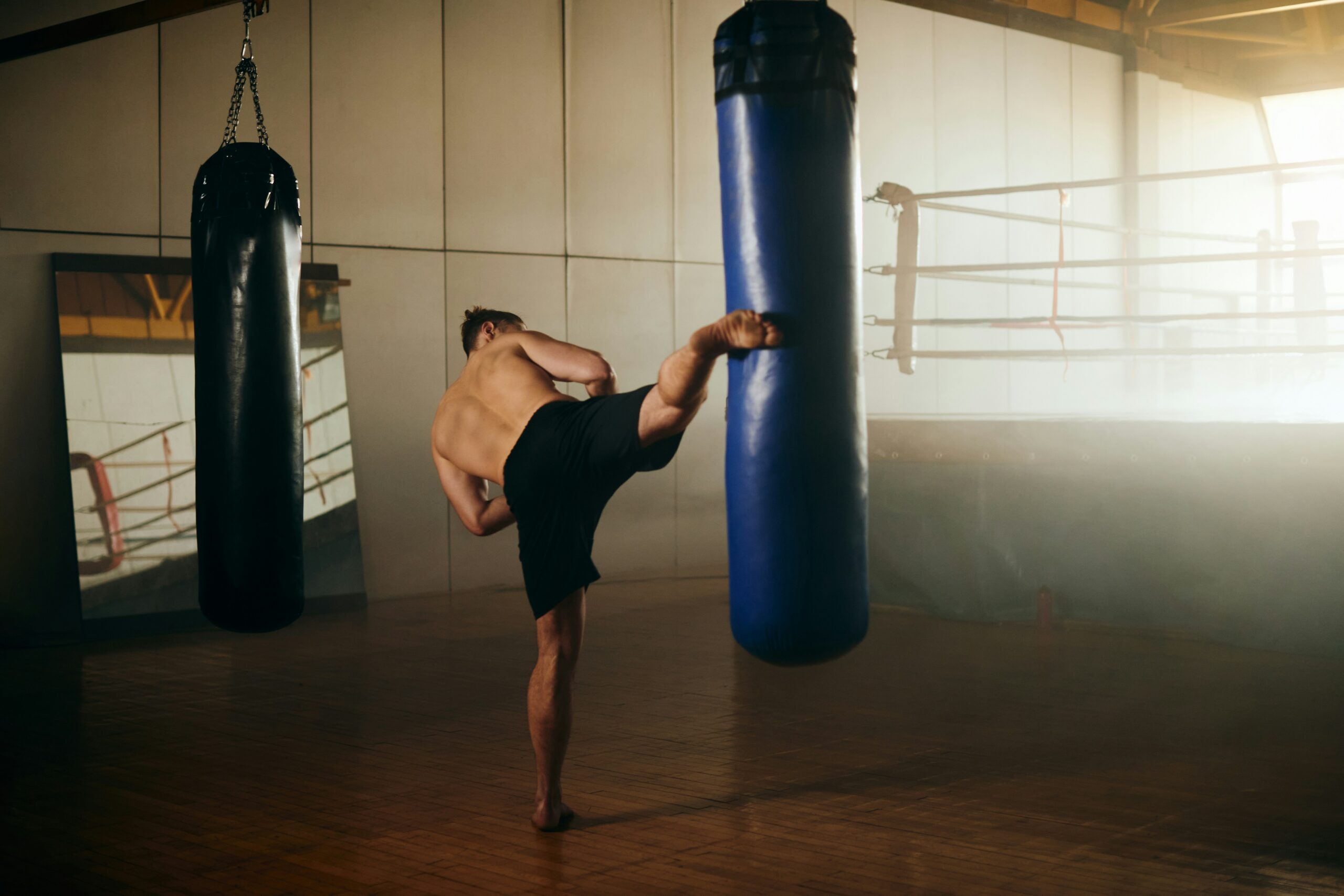
Kickboxing began as a serious combat sport designed for fighters seeking strength, speed, and control in competition. It grew from martial arts traditions and quickly became known for its intensity. Training was strict and focused on preparing athletes for real matches. For many years, it stayed within that world and was not widely seen as a regular exercise option.
Over time, fitness culture began to change. People started looking for workouts that felt more engaging and less repetitive. Trainers noticed that kickboxing had strong movement patterns that could be adapted for general fitness. They removed the fighting element and turned it into a structured workout that anyone could try. This shift marked the first step in its transformation.
The Shift in Fitness Culture and Mindset
Modern fitness culture began to shift from competition to lifestyle improvement. People wanted workouts that helped them stay active while also reducing stress. They also wanted routines that felt enjoyable enough to repeat. This change in mindset opened the door for kickboxing to enter mainstream gyms.
As this shift grew, kickboxing found a new identity. It became less about winning fights and more about building health. Trainers redesigned sessions to focus on movement, rhythm, and endurance. This made it suitable for beginners and everyday fitness lovers. It slowly moved from a combat sport to a popular group workout.
Why Kickboxing Feels More Engaging Than Traditional Workouts
Many traditional workouts feel repetitive, which often leads to boredom. Kickboxing solved this problem by introducing variety in movement. Every session includes punches, kicks, and combinations that change throughout the workout. This keeps the body active and the mind focused.
The constant change in movement helps people stay interested. It feels more like a dynamic activity than a repetitive routine. This level of engagement makes it easier for people to stay consistent. When workouts feel fun, they become part of daily life instead of a task to complete.
Full Body Movement That Builds Real Strength
Kickboxing works the entire body naturally. The arms build power through punching movements. The legs develop strength through kicking and stepping. The core stays active to maintain balance and control during every motion. This creates a balanced workout that trains multiple areas at once.
This full-body engagement also improves coordination. The body learns to move in sync with different actions. Over time, this builds better control and endurance. People notice improvements not just in strength but also in how they move in everyday life. This makes kickboxing a practical fitness choice.
Cardio and Strength in One Simple Flow
Kickboxing combines cardio and strength without separating them. The fast movements raise the heart rate, which improves stamina and supports calorie burn. At the same time, each punch and kick requires controlled effort, which builds muscle strength. This balance makes the workout highly effective.
Because both types of training happen together, workouts feel efficient. People do not need to split their routine into different sessions. This saves time and keeps motivation high. It also helps the body improve in multiple ways during one workout, which adds to its popularity.
Mental Benefits That Support Daily Life
Kickboxing is not only physical, but it also supports mental well-being. The movements help release built-up stress. Striking pads or air combinations can feel like an emotional release. This helps people feel lighter and more relaxed after training.
The focus required during kickboxing also improves mental clarity. Participants must pay attention to timing and movement. This keeps the mind present and reduces distraction. Over time, this practice can build confidence and improve focus in daily activities. It becomes more than exercise; it becomes a mental reset.
Accessibility for All Fitness Levels
One of the strongest reasons for kickboxing’s rise is its accessibility. Beginners can start with simple movements. They do not need prior experience or special skills. This makes it easy for anyone to join and feel comfortable in a class or workout.
As people progress, they can naturally increase intensity. They can move faster, add stronger strikes, or follow more complex combinations. This flexibility keeps the workout challenging over time. It supports long-term fitness growth without feeling overwhelming or restrictive.
The Role of Gyms and Group Training
Gyms played a major role in turning kickboxing into a fitness trend. Group classes made it social and interactive. People worked out together, which created motivation and energy in the room. This group environment helped people push themselves more than they would alone.
Trainers also made a big difference. They guided movements and kept sessions structured. Their support helped beginners feel confident. The group setting fostered a sense of community, encouraging people to return regularly. This social factor helped kickboxing grow faster in fitness spaces.
Influence of Media and Digital Fitness
Digital fitness platforms helped kickboxing reach a wider audience. Online videos and virtual classes made it easy for people to learn at home. This removed barriers and allowed more people to try it without joining a gym first.
Social media also increased its visibility. Fitness creators shared kickboxing routines that looked energetic and exciting. This inspired many people to try it for themselves. As more content appeared online, kickboxing became a recognizable and appealing fitness trend worldwide.
Why Kickboxing Became a Long-Term Fitness Trend
Kickboxing became a long-term fitness trend because it delivers consistent value. It improves strength, endurance, and mental focus in one routine. It also feels engaging, which helps people stay committed over time. This combination makes it stand out from many other workouts.
It also fits modern lifestyles well. People want efficient workouts that do not take too much time but still deliver results. Kickboxing meets this need perfectly. It continues to evolve with fitness culture and remains relevant in gyms, studios, and online platforms. Its transformation from combat sport to fitness trend demonstrates its adaptability and power.