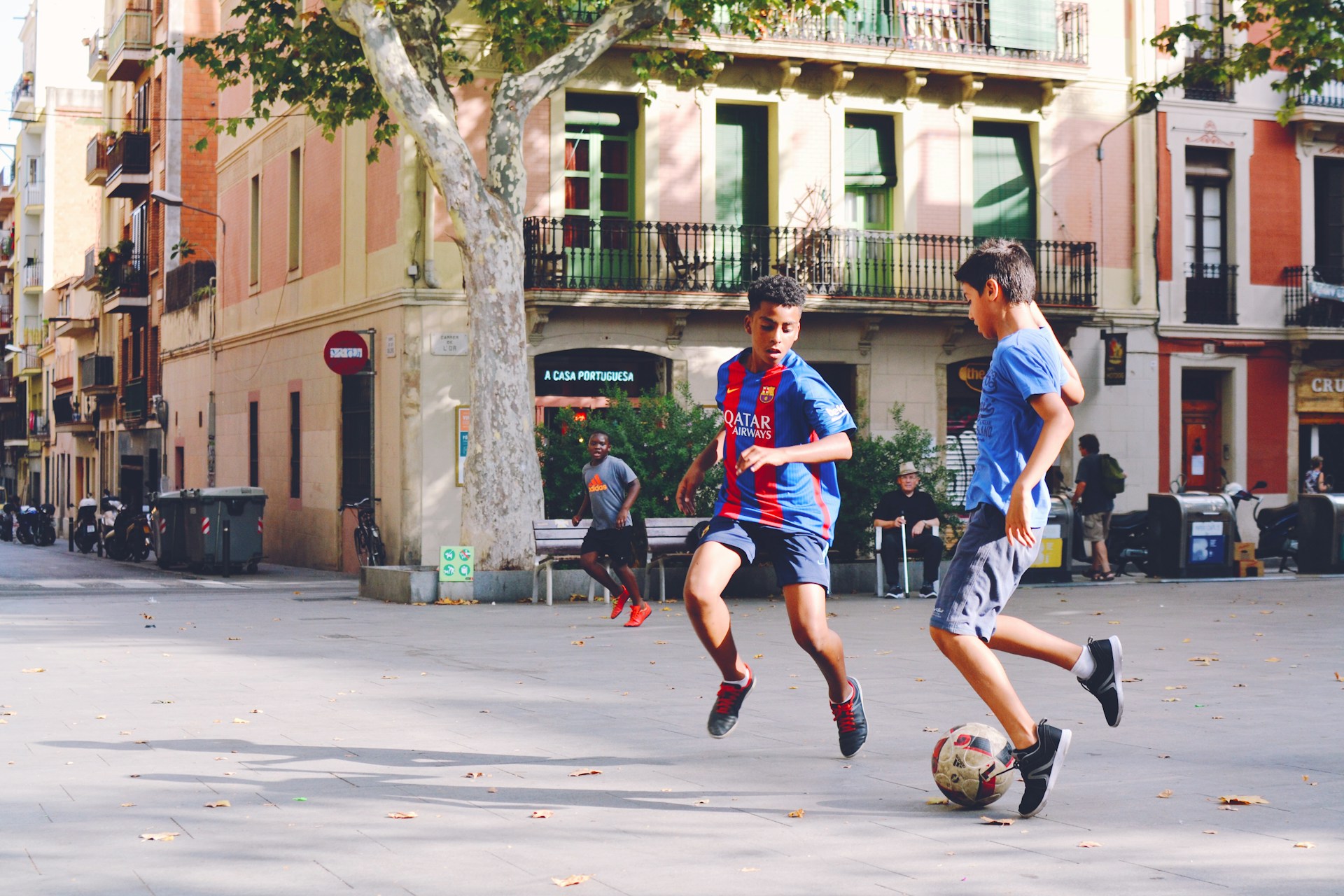
Soccer has grown far beyond a competitive sport. Today, soccer’s global influence reaches neighborhoods, media, and traditions. Its simple rules make the game easy to understand across languages and social backgrounds. Local communities also shape soccer through their customs and expressions. This exchange has turned the sport into a shared cultural language with global reach.
Simple Access Helped Soccer Travel Worldwide
Soccer spread because people needed little equipment to start playing. A ball, space, and basic rules were often enough. Because of this simplicity, children and adults could play in cities, villages, beaches, and schoolyards. The sport adapted easily to different climates, incomes, and public spaces. As communities adopted it, they built local soccer traditions that reflected regional identities.
Trade, migration, and colonial networks also carried the game across borders. British workers introduced soccer to many ports during the nineteenth century. However, local players soon made the game their own. Clubs connected to neighborhoods, workplaces, and social groups. Over time, soccer culture developed differently in each country while keeping a familiar core.
Soccer Culture Became a Form of Social Identity
Supporters see clubs as symbols of place, history, and community pride. A team can represent a city district, community or family tradition. Because matches happen regularly, supporters build rituals around songs, clothing, food, and travel. These practices strengthen bonds beyond stadiums. In many places, supporting a club becomes part of personal identity.
National teams create another powerful layer of belonging. International tournaments let people express national pride without formal political language. Meanwhile, immigrant communities may support both their homeland and adopted country. Soccer can therefore hold several identities at once. That flexibility helps soccer cross cultural boundaries.
Global Influence of Soccer Expanded Through Media
Radio allowed distant supporters to follow major matches without entering a stadium. Television transformed soccer into a shared visual experience across continents. Fans could watch players, tactics, celebrations, and rivalries from thousands of miles away. As coverage expanded, major competitions became global events. This exposure has increased football’s cultural impact across generations.
Digital media has accelerated that exchange. Supporters now watch highlights, discuss tactics, follow players, and share reactions within seconds. Social platforms also spread chants, memes, fashion, and fan traditions across borders. As a result, local supporters can participate in global soccer communities every day. Yet they still interpret the game through their own cultural experiences.
Players Became Cultural Bridges Between Communities
Professional soccer depends on movement between regions and countries. Players build careers far from where they learned the game. Their journeys introduce fans to different languages, backgrounds, and styles. At the same time, foreign players learn local customs and expectations. This movement makes cultural exchange a normal part of soccer.
Successful players can reshape how communities view unfamiliar countries or cultures. Fans may explore a player’s hometown, language, or national team. Young athletes copy techniques and celebrations from international stars. However, these influences rarely replace local traditions. Instead, they blend with existing habits, creating new soccer identities.
Major Tournaments Create Shared Global Moments
Continental championships and the World Cup bring audiences together for the same matches. Families, coworkers, and strangers experience these games together. Even people who rarely follow clubs may join during tournaments. Because the stakes feel clear, each match can create emotional connections. Shared victories and defeats then become lasting cultural memories.
Host nations also use tournaments to present their culture to visitors and viewers. Music, architecture, food, celebrations, and regional history often appear beside the competition. In return, visiting supporters bring their own traditions into host cities. This creates cultural exchange on a huge scale. Soccer becomes both the event and the meeting place.
The Game Also Reflects Social Change
Soccer does not exist outside social debates. Issues involving race, gender, class, migration, and equality often appear within the sport. Clubs and players can influence conversations because millions already pay attention. At times, stadiums reveal social tensions that communities still need to address. At other times, teams show how cooperation can cross meaningful differences.
Women’s soccer clearly illustrates changing cultural expectations. Growing participation has challenged older ideas about who should play, lead, and receive public attention. More young girls now see pathways that previous generations rarely had. Although inequality remains, greater visibility continues to shift attitudes. The game’s cultural power grows when more people can participate fully.
Why Soccer Remains a Global Cultural Force
Soccer’s greatest strength comes from combining consistency with local freedom. The basic game remains recognizable almost everywhere, yet communities give it different meanings. Supporters shape rituals, players carry ideas across borders, and tournaments create shared memories. Meanwhile, media connects distant audiences without erasing local identity. This balance keeps the sport both familiar and culturally flexible.
The global influence of soccer will continue because people use the game for more than competition. It creates belonging, conversation, aspiration, and cultural exchange across generations. Local soccer traditions keep the sport rooted in specific communities. International soccer culture connects those communities to a wider world. Together, these forces explain how one simple game became a powerful presence across global cultures.