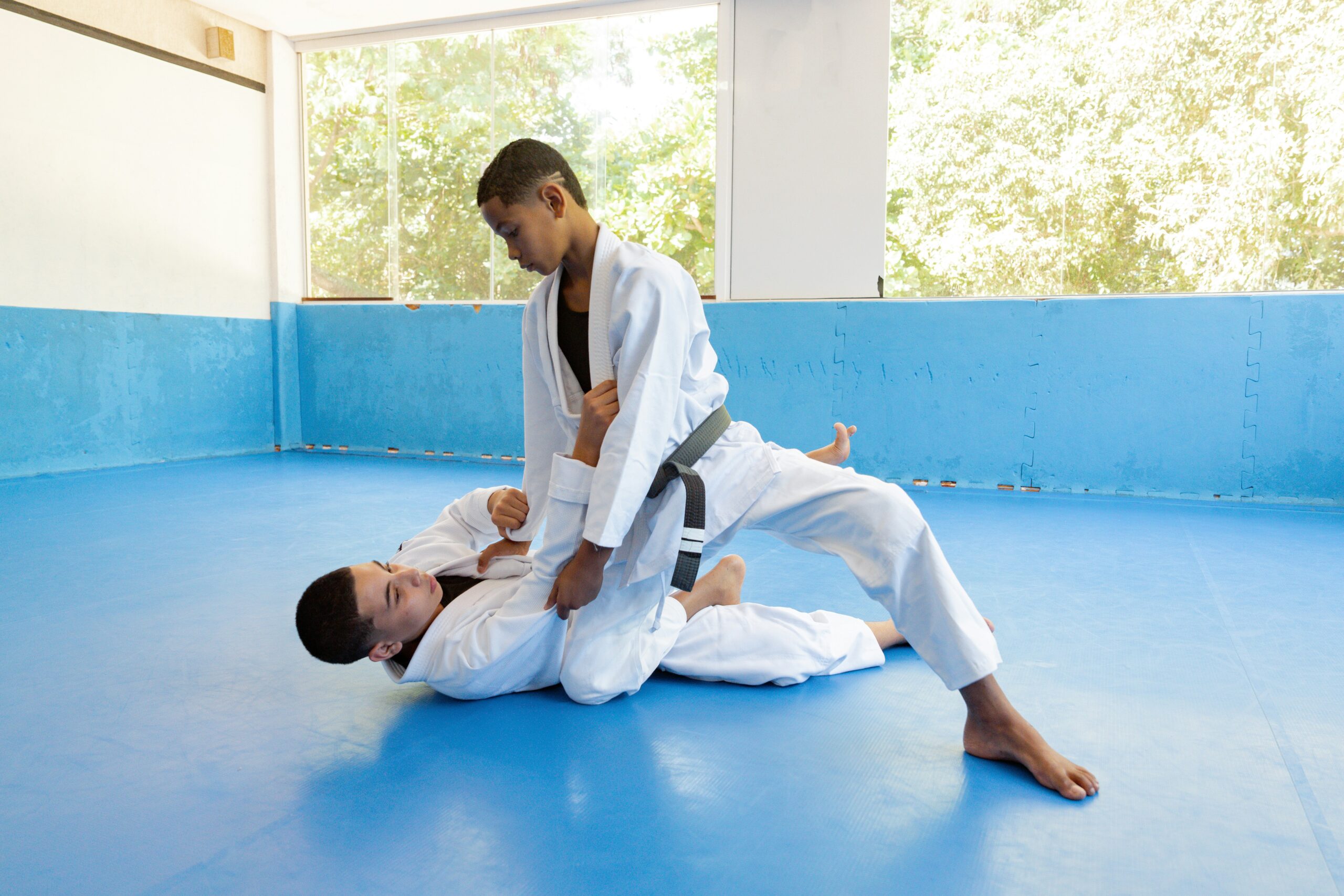
Real-life Jiu-Jitsu skills offer practical ways to stay safer in everyday situations. Unlike many martial arts that focus on flashy moves, Brazilian Jiu-Jitsu teaches techniques that work under pressure. It prepares people to stay calm, make smart choices, and protect themselves without relying on strength alone.
Many real-life confrontations happen at close range. Therefore, knowing how to control distance, escape danger, and protect yourself matters more than throwing powerful strikes. Brazilian Jiu Jitsu focuses on leverage, balance, and body mechanics, making it useful for people of different ages, sizes, and fitness levels.
Moreover, consistent practice develops confidence that reaches beyond the training mat. Students improve their awareness, decision-making, and emotional control while learning valuable self-defense skills. These qualities help them avoid trouble before physical action becomes necessary.
Why Real Life Jiu Jitsu Skills Work in Everyday Situations
Real Life Jiu Jitsu Skills prepare people for realistic encounters instead of staged demonstrations. Many altercations quickly move into grabbing, pushing, or wrestling. Because of this, learning how to stay balanced and control another person’s movement provides a major advantage.
Brazilian Jiu Jitsu teaches students to remain calm under pressure. Instead of reacting with panic, they learn to think clearly and apply simple techniques. As a result, they often make safer decisions during stressful moments.
Furthermore, training emphasizes control rather than aggression. Students learn how to create space, break free, and escape when possible. These lessons reinforce the idea that self-defense should focus on safety instead of winning a fight.
The techniques also rely on timing and leverage rather than raw power. Consequently, smaller individuals can successfully defend themselves against larger opponents by using proper mechanics.
How Awareness Supports Better Self-Defense
Physical techniques alone cannot guarantee personal safety. Therefore, awareness remains one of the most valuable parts of self-defense training.
Brazilian Jiu Jitsu encourages students to observe their surroundings before problems develop. They learn to identify exits, notice unusual behavior, and recognize situations that may become dangerous. This habit helps people avoid many confrontations before they begin.
In addition, awareness includes emotional control. Fear and anger often lead to poor decisions. However, regular training places students in controlled, challenging situations where they practice staying composed. Over time, this experience improves their ability to respond calmly during real-life stress.
Communication also plays an important role. Clear verbal commands, confident body language, and maintaining appropriate distance may stop conflicts before they become physical. Therefore, real-life Jiu-Jitsu skills support prevention as much as protection.
Practical Techniques That Build Everyday Confidence
Brazilian Jiu Jitsu teaches movements that people can realistically apply. Students begin with simple positions, escapes, and defensive strategies before advancing to more complex techniques.
One valuable lesson involves escaping from underneath an opponent. Since many assaults involve being forced to the ground, learning how to recover and stand safely becomes extremely useful.
Students also practice controlling an aggressive person without causing unnecessary harm. This approach helps when protecting yourself while avoiding excessive force. Moreover, these techniques encourage responsible decision-making during stressful situations.
Grip breaking, posture control, and movement create additional advantages. Instead of relying on punches, practitioners use leverage to reduce an attacker’s ability to continue the confrontation. Consequently, they gain valuable time to escape and seek help.
Confidence naturally grows through repeated practice. Every successful training session reinforces problem-solving abilities and improves physical coordination. As confidence increases, people often project greater self-assurance, which may discourage potential aggressors.
The Mental Benefits Beyond Physical Protection
Real Life Jiu Jitsu Skills strengthen the mind as much as the body. Every class presents new challenges that require patience, discipline, and focus. Students regularly experience setbacks during training. Nevertheless, they continue learning by adjusting their techniques and improving through repetition. This process builds resilience that carries into daily life.
Additionally, Brazilian Jiu Jitsu develops humility. Even experienced practitioners continue learning from training partners. This mindset encourages lifelong improvement while reducing overconfidence.
Stress management also improves through consistent practice. Because students repeatedly train under controlled pressure, they become more comfortable handling difficult situations. As a result, they often remain calmer during unexpected events outside the gym.
Furthermore, disciplined training supports healthier lifestyles. Many practitioners improve their fitness, flexibility, and endurance while building lasting friendships within supportive training communities. These positive habits contribute to greater overall well-being.
Making Self-Defense Part of Everyday Life
Learning self-defense involves much more than attending occasional classes. Consistency creates lasting improvement. Therefore, students should practice regularly while reviewing fundamental movements and safety principles.
Choosing a reputable Brazilian Jiu Jitsu academy also matters. Good instructors prioritize technical development, respect, and responsible application. They encourage students to train safely while understanding the legal and ethical responsibilities of self-defense.
Outside the gym, people can strengthen their personal safety through simple habits. Staying aware of surroundings, avoiding unnecessary risks, and trusting personal instincts complement physical training. Together, these habits create a well-rounded approach to everyday protection.
Fitness also supports effective self-defense. Better endurance, mobility, and strength improve movement while reducing fatigue during stressful situations. Consequently, combining regular exercise with Brazilian Jiu Jitsu creates stronger overall preparedness.
Most importantly, students should remember that avoiding conflict remains the best outcome whenever possible. Walking away, seeking assistance, or removing yourself from danger always represents success. Physical techniques should remain the final option after safer alternatives have failed.
Real Life Jiu Jitsu Skills provide practical knowledge that extends far beyond self-defense techniques. They develop confidence, awareness, emotional control, and disciplined decision-making. These qualities improve everyday life while preparing individuals to respond responsibly if danger arises.
Brazilian Jiu Jitsu continues to grow because it teaches realistic solutions instead of unrealistic promises. Through consistent training, students build practical abilities that support personal safety while encouraging respect, patience, and self-control. Ultimately, Real Life Jiu Jitsu Skills empower people to live with greater confidence, make wiser choices, and approach life’s challenges with calm determination.