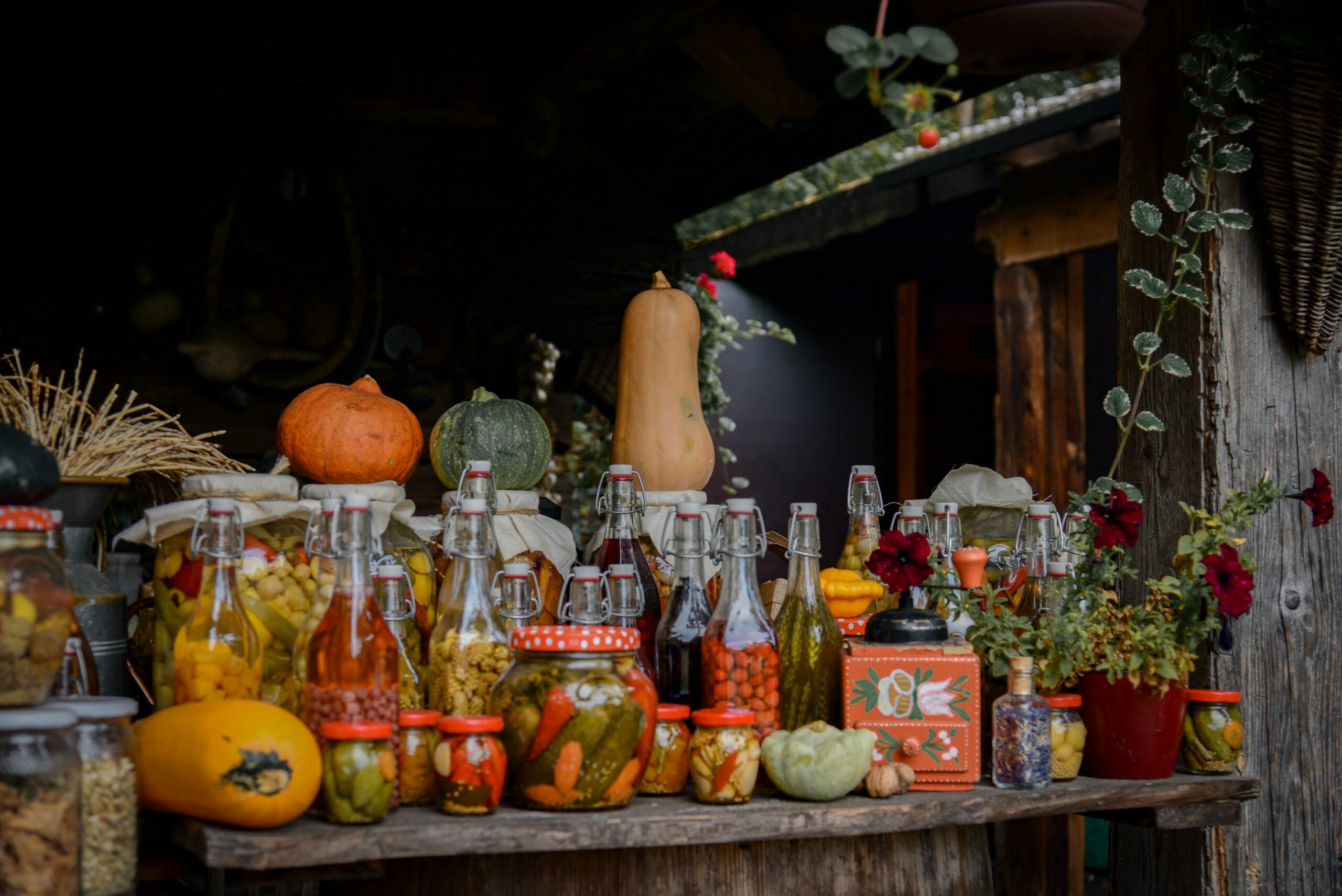
Food has always been more than nourishment. Across the world, meals serve as a powerful expression of identity, family history, and cultural pride. A dish passed down through generations carries stories, memories, and traditions that shape communities and personal identities. The kitchen often becomes a place where heritage is preserved and shared, creating a bridge between the past and the present.
Every culture has signature dishes that represent its history and values. Whether it is a family recipe carefully guarded for decades or a traditional dish prepared during holidays, food helps people stay connected to their roots. When families gather around the table, they do more than eat; they pass down traditions, share wisdom, and strengthen bonds that span generations.
The Cultural Stories Hidden in Recipes
Recipes often function as living records of culture. Many traditional meals tell the story of migration, adaptation, and survival. Ingredients and cooking methods reveal the environment in which a community lived and the resources available to them.
For example, spices, grains, and cooking techniques reflect regional climates and agricultural practices. Over time, these recipes evolve as families move or adapt to new surroundings. Yet the essence of the dish remains intact, preserving its cultural identity.
Food traditions also reveal the creativity of earlier generations. Many classic recipes were developed out of necessity, turning simple ingredients into flavorful meals. By continuing to prepare these dishes, families honor the resilience and ingenuity of their ancestors.
Family Meals as a Bridge Between Generations
Family meals play a central role in maintaining generational connections. Sitting together at the table creates an opportunity for storytelling, laughter, and meaningful conversations. These shared moments often become cherished memories that last a lifetime.
Grandparents frequently teach younger family members how to cook traditional dishes. This process becomes more than a cooking lesson; it becomes a moment of cultural education. Through simple instructions and shared experiences, traditions are naturally passed down from one generation to the next.
Cooking together also strengthens emotional bonds within families. Children who learn family recipes gain a deeper appreciation for their heritage and develop a sense of belonging. The kitchen becomes a classroom where history, culture, and love come together.
Food as a Language That Crosses Cultural Boundaries
Food has the remarkable ability to connect people from different backgrounds. Even when language barriers exist, sharing a meal can create an instant sense of understanding and community. A simple dish can open conversations about culture, traditions, and experiences.
Restaurants, cultural festivals, and community gatherings often introduce people to cuisines they have never experienced before. These encounters foster curiosity and appreciation for different cultures. Through food, individuals can explore traditions that might otherwise remain unfamiliar.
Cooking and sharing meals with people from diverse backgrounds can also challenge stereotypes and build empathy. When people taste the flavors of another culture, they gain insight into the history and lifestyle behind the cuisine. This experience often encourages respect and mutual understanding.
Celebrations and Rituals Centered Around Food
Across cultures, important celebrations are closely tied to specific dishes. Holidays, weddings, and religious events often feature traditional meals that symbolize prosperity, unity, or gratitude. Preparing these foods becomes a ritual that brings families and communities together.
These celebratory dishes are often prepared using methods that have remained unchanged for generations. The repetition of these traditions creates continuity, allowing younger generations to experience the same cultural practices as their ancestors.
Food rituals also provide comfort and familiarity. During significant life events, traditional meals can offer a sense of stability and connection. These dishes become symbolic reminders of family, heritage, and shared history.
The Role of Migration in Shaping Food Traditions
Migration has played a major role in shaping the global diversity of cuisine. When people move to new regions, they bring their food traditions with them. Over time, these traditions blend with local ingredients and cooking styles, creating new culinary expressions.
Immigrant families often rely on traditional foods as a way to maintain a connection to their homeland. Preparing familiar dishes provides comfort and preserves cultural identity in unfamiliar environments. These meals become a way to keep memories and traditions alive.
At the same time, migration introduces cultures to new flavors and techniques. Many popular dishes around the world are the result of cultural exchange and adaptation. This blending of traditions highlights the dynamic nature of food culture and its ability to evolve while preserving its roots.
Preserving Traditions Through Modern Kitchens
In today’s fast-paced world, maintaining traditional cooking practices can be challenging. Convenience foods and busy schedules often replace time-intensive family recipes. Despite these changes, many families continue to value preparing traditional meals.
Modern technology has helped preserve food traditions in new ways. Digital recipe collections, cooking videos, and online communities allow people to share and document family recipes for future generations. These tools make it easier to keep culinary traditions alive.
Younger generations are also rediscovering the joy of cooking traditional foods. Many people seek to reconnect with their heritage by learning the recipes their grandparents once prepared. This renewed interest ensures that cultural food traditions will continue to thrive in modern households.
Why Food Will Always Connect People
Food remains one of the most powerful symbols of connection and identity. From family kitchens to international dining tables, meals continue to bring people together across generations and cultures. The act of cooking and sharing food creates opportunities for understanding, appreciation, and unity.
As long as people gather to eat and share stories, food will remain a vital thread that ties communities together. Every recipe carries a legacy, every meal tells a story, and every shared table strengthens the bonds that connect humanity.