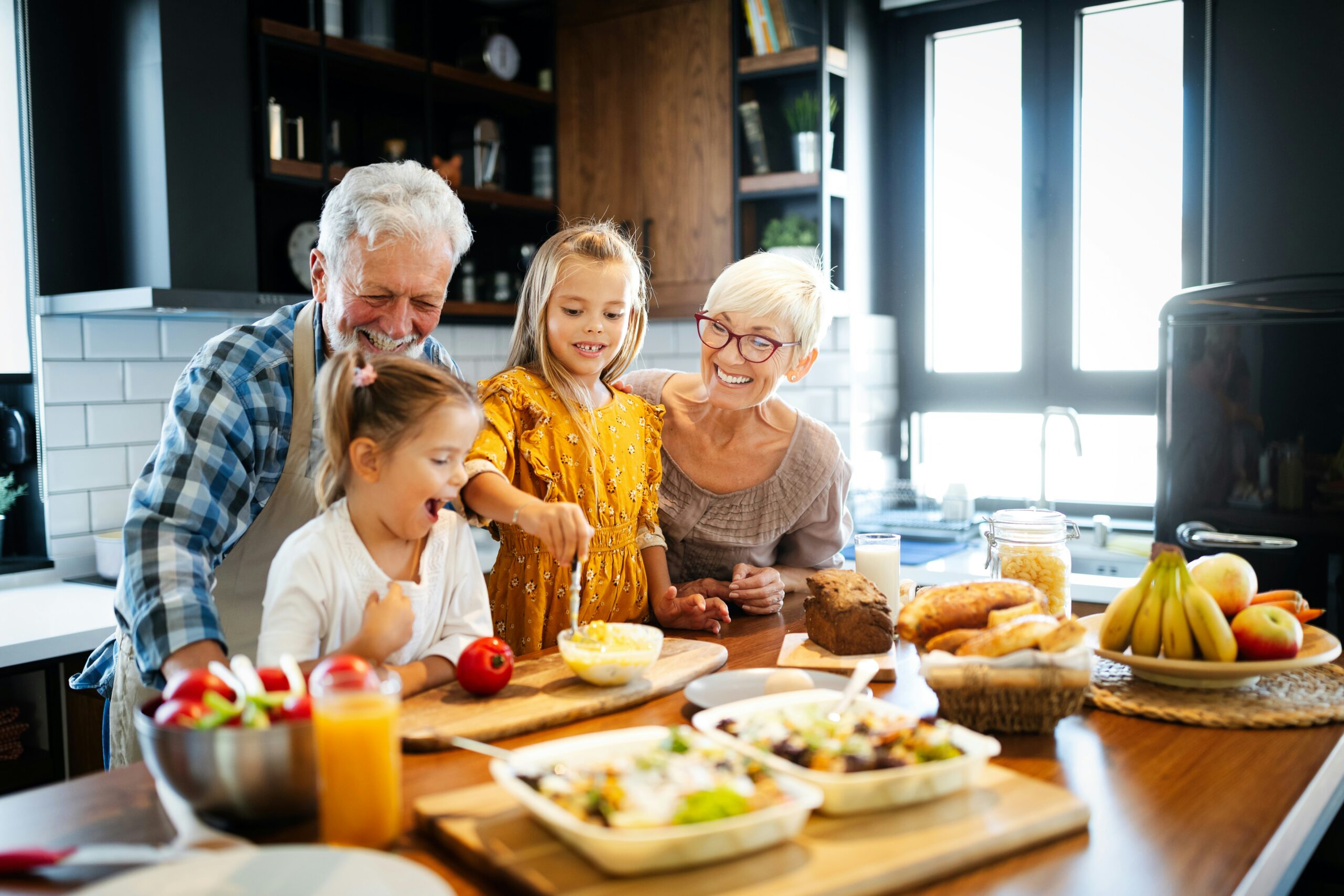
Food is a universal experience that bridges language barriers, cultural differences, and even emotional gaps. Across continents and communities, the act of sharing a meal has always been more than just satisfying hunger. It becomes a moment of connection, a gesture of goodwill, and often, the beginning of a new relationship. The simple act of offering or receiving food has immense power to shape how people feel about one another.
Every culture has dishes that are passed down through generations, each bite steeped in tradition and memory. When individuals share their traditional meals with others, they share more than flavors; they share identity, pride, and history. The exchange becomes a conversation that goes beyond words. And in those moments, food becomes the thread that weaves people into closer relationships, making strangers into friends and friends into family.
Meals That Matter: Creating Moments and Memories
The dinner table has long been a gathering place where laughter flows freely, and stories are exchanged. Whether it’s a holiday feast or a weeknight dinner, these mealtime moments allow people to slow down and truly engage. Sitting down together encourages face-to-face interaction, eye contact, and meaningful dialogue. With fewer distractions, people open up, and stronger bonds form over something as simple as a plate of food.
When families eat together regularly, they tend to communicate more deeply. Children feel heard, partners stay connected, and relatives maintain their ties. These shared meals help establish traditions and create lasting memories. From birthdays to anniversaries, food marks essential life events. It’s not the dishes alone that make the occasion memorable, but the presence of others gathered in the same space, enjoying the same flavors, and creating shared stories.
How Food Builds Emotional Connection
Eating together creates more than just conversation; it builds emotional connection. The comfort found in a favorite home-cooked dish or the excitement of trying something new with a loved one can leave lasting impressions. When someone prepares a meal for another, it becomes a tangible expression of care. It signals thoughtfulness, effort, and affection in a way that words sometimes can’t.
Research has shown that eating together promotes feelings of happiness and trust. Shared meals lower stress and strengthen emotional resilience. When individuals feel emotionally nourished, their physical well-being often improves, too. So, while food fuels the body, it also supports the soul, reinforcing the emotional fabric that binds people together.
Cultural Meaning in Every Bite
Culture and food are inseparable. Recipes often reflect migration stories, agricultural traditions, and spiritual beliefs. In every bite of a traditional dish, there are meanings and symbols of celebration, mourning, gratitude, or unity. Through food, people learn about one another’s customs and values, which helps promote understanding and tolerance.
When individuals explore cuisines different from their own, they open doors to deeper cultural appreciation. Food festivals, cooking classes, and global potlucks all create opportunities for cross-cultural exchange. As people gather around diverse dishes, they build empathy and curiosity. This type of connection goes beyond shared taste; it reflects a desire to understand one another more fully through the lens of culture.
Gathering Around the Table: The Social Impact of Food
In both public and private spaces, food plays a vital role in building community. Restaurants, cafes, and markets often serve as gathering spots where relationships are formed and nurtured. Community dinners, block parties, and food drives all rely on the power of food to bring people together. These events allow neighbors to meet, collaborate, and celebrate common goals.
Social programs that include shared meals such as school lunches, senior center meals, and shelter services often see greater participation and engagement. When people eat together, they feel included and supported. This is especially important for those who might otherwise feel isolated. Food can serve as a social equalizer, creating space for everyone to have a seat at the table.
Friendships Forged Through Flavors
Friendships often blossom over meals. Whether it’s sharing snacks during a study session or exploring new restaurants together, food becomes the backdrop to countless bonding experiences. Many first dates involve dinner, and many lasting friendships are sustained through regular coffee catchups or weekend brunches. These rituals build a rhythm of connection and belonging.
Trying new foods together can also spark joy and curiosity. Friends who cook for one another often create stronger ties, as the kitchen becomes a place of collaboration and laughter. Even virtual dinners, where people eat together over video calls, show that food remains a bridge no matter the distance. These shared experiences deepen trust and affection, strengthening the bond between friends.
The Role of Food in Celebrating Life’s Milestones
Weddings, graduations, religious holidays, and other celebrations almost always involve food. These occasions remind people that meals are more than nourishment; they are symbols of love, joy, and gratitude. The cake at a wedding, the turkey at Thanksgiving, or the sweets during Eid or Diwali are not chosen by accident. Each dish carries meaning and memory, making the moment even more special.
When food is part of a celebration, it brings people closer. Guests feel welcomed, hosts feel proud, and everyone shares in the joy of the occasion. These meals become a record of life’s meaningful chapters. Long after the event ends, the memory of what was eaten, who was there, and how it felt remains vivid. That is the power of food; it makes memories deliciously unforgettable.
Healing Through Shared Meals
In difficult times, food can also be a source of comfort and healing. A neighbor bringing over soup after a loss, a friend dropping off dinner during illness, or a community organizing meals for those in crisis, these acts of care show how food offers more than sustenance. It provides emotional support, signaling that someone is not alone.
Food helps process grief, rebuild hope, and move through hardship. Even in silence, a shared meal can speak volumes. During times when words are hard to find, eating together becomes an act of solidarity. It offers calm in the chaos and warmth during cold moments. This nurturing quality makes food central to emotional recovery and support.
Food as a Daily Expression of Love
In everyday life, food is one of the most consistent ways people show love. Parents prepare meals for their children, partners plan special dinners, and friends bake treats for one another. These daily acts may seem small, but they carry considerable emotional weight. Preparing food becomes a language of love, respect, and connection.
Even those who live alone can feel connected through food, whether by recreating a family recipe, joining a virtual cooking group, or sharing meals with neighbors. The simple act of preparing and enjoying food creates a sense of continuity and care. It is in these daily rhythms that the emotional richness of food truly shines.